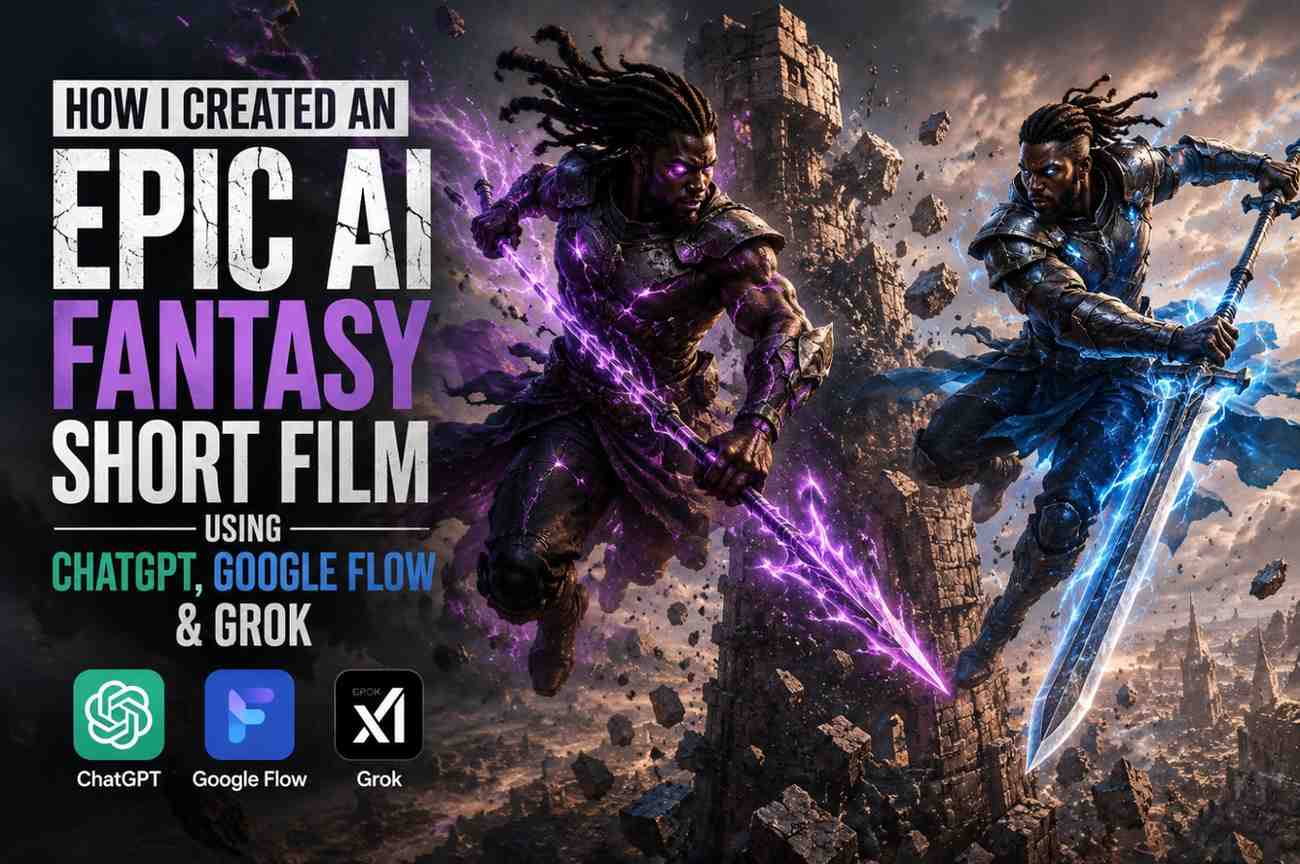
How I Created an Epic AI Fantasy Short Film Using ChatGPT, Google Flow & Grok
Introduction
Artificial Intelligence is transforming filmmaking at an incredible speed. What once required large studios, camera crews, and expensive equipment can now be achieved by independent creators using AI tools.
In this project, I created a fantasy short film titled “Fall of the Tower”, featuring two Ghanaian warriors, Kofi and Kwadwo, in a final airborne battle above a collapsing stone tower.
AI Tools Used
- ChatGPT — Story development, screenplay, and prompt engineering
- Google Flow — Text-to-image generation (keyframes)
- Grok — Image-to-video animation
The Story Concept
The story takes place in a shattered fantasy world where a massive stone tower is collapsing after an ancient battle.
Two lifelong rivals, Kofi and Kwadwo, face their final confrontation above the ruins as gravity pulls them toward destruction.
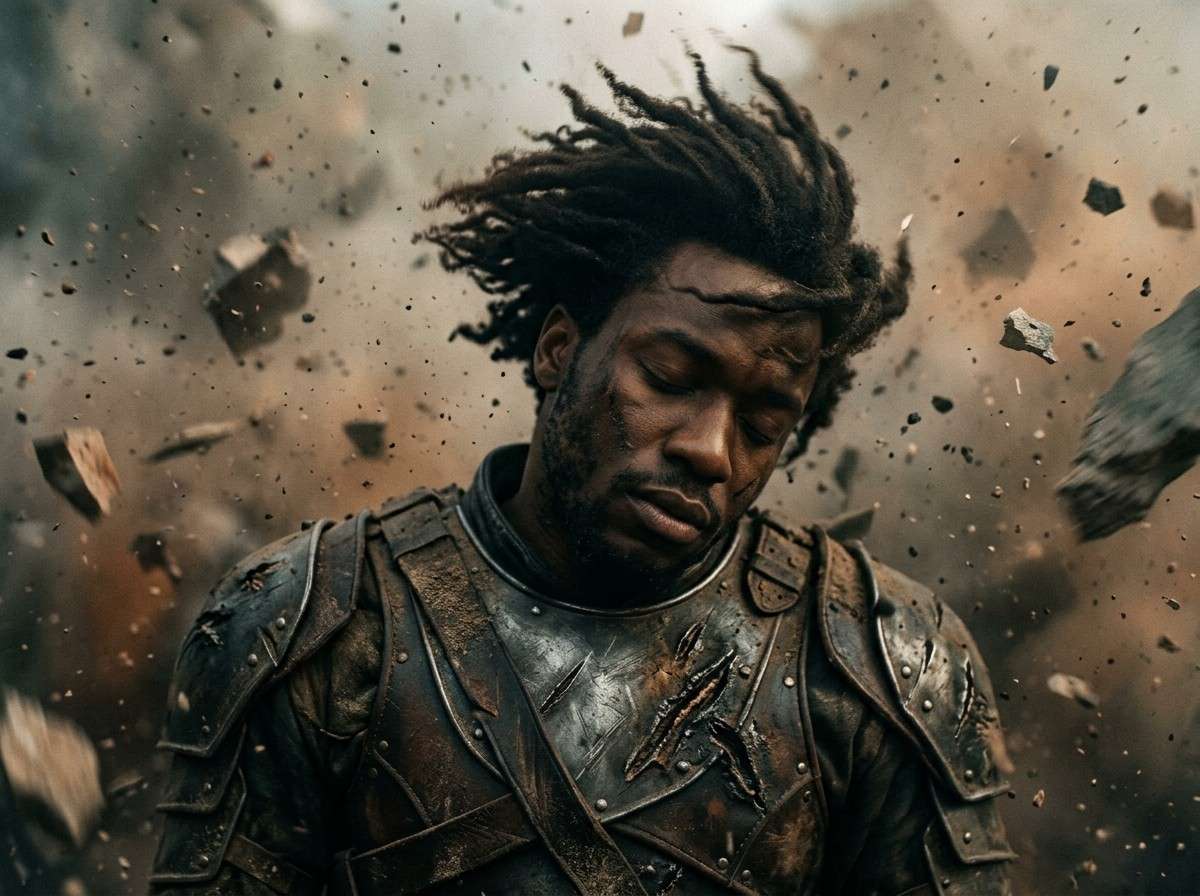
Kofi regains consciousness mid-fall, preparing for one last battle against his rival.
"COME!"
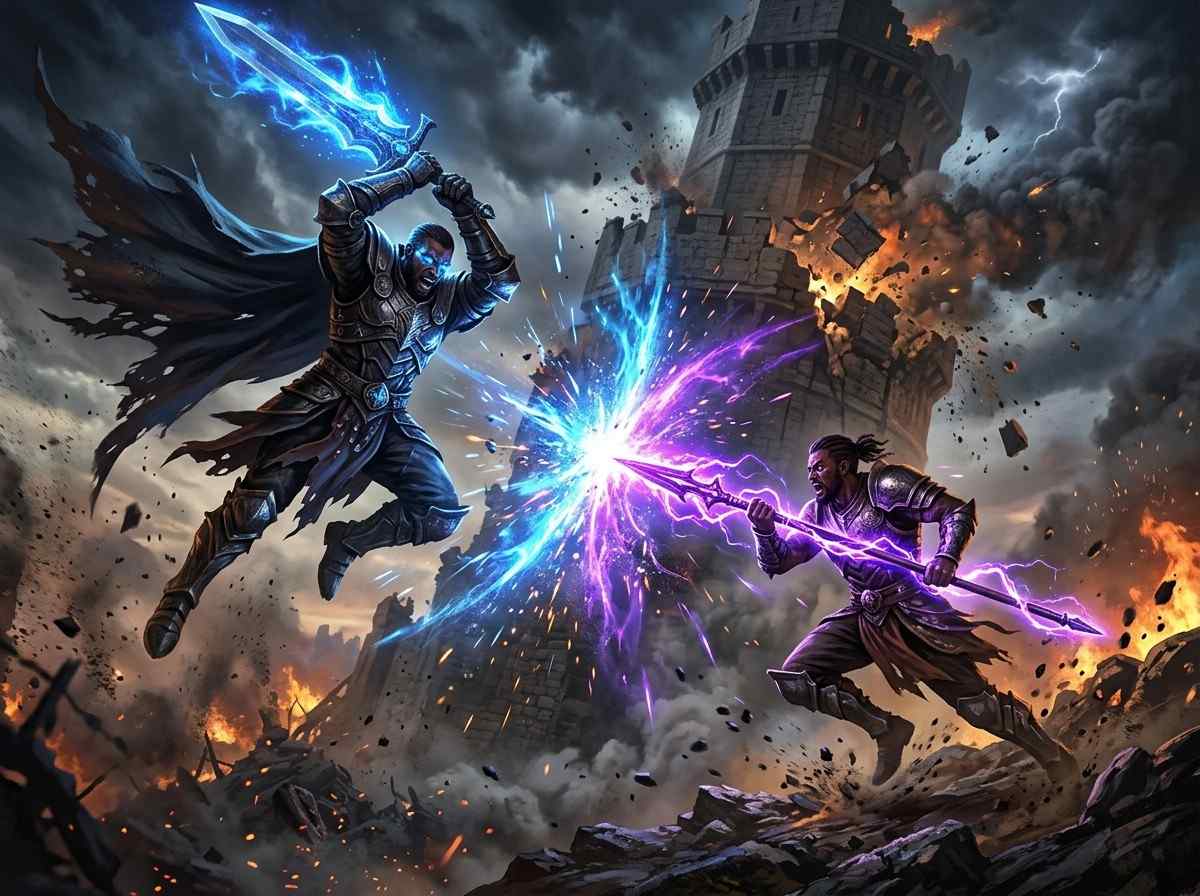
The film ends with both warriors colliding in a massive burst of energy before fading into white.
Step 1: Using ChatGPT for Story Development
The first stage was turning a rough idea into a structured cinematic screenplay.
ChatGPT helped generate:
- Screenplay structure
- Character descriptions
- Scene breakdowns
- Shot-by-shot planning
- Image prompts
- Video prompts
Key Workflow Decision
Instead of generating a single long video prompt, the film was split into 25 individual shots for better control and consistency.
Step 2: Character Design & Consistency
Character consistency is one of the most important parts of AI filmmaking. Every prompt must describe characters the same way.
Kofi
- Ghanaian fantasy warrior
- Dark skin, athletic build
- Full dreadlocks with faded sides
- Purple energy powers
- Mystical spear weapon
Kwadwo
- Ghanaian fantasy warrior
- Tall muscular build
- Facial battle scar
- Right-side faded dreadlocks
- Blue energy powers
- Massive longsword
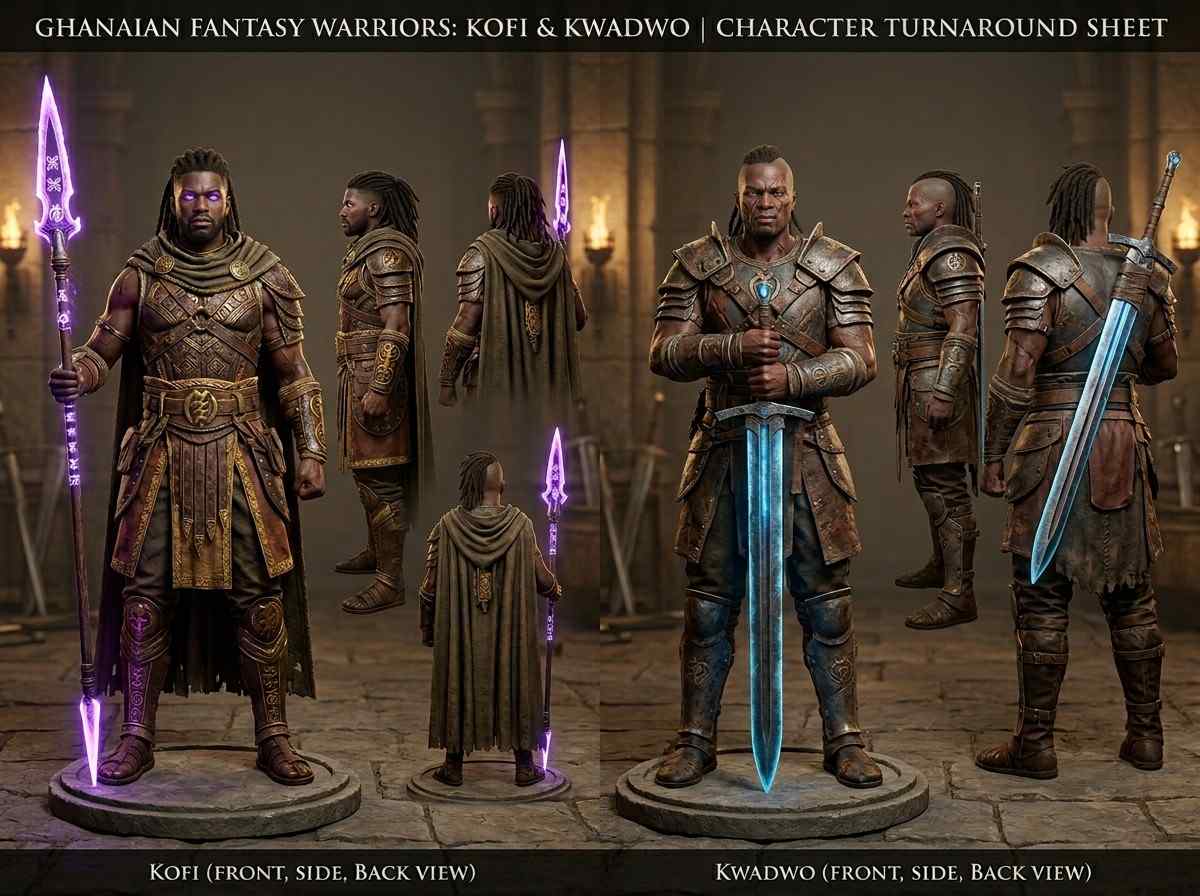
Keeping these descriptions identical across all prompts ensures visual continuity.
Step 3: Generating Images with Google Flow
Each scene was converted into a detailed image prompt and passed into Google Flow to generate cinematic keyframes.
Every prompt included:
- Character details
- Camera angle and framing
- Lighting style
- Environment description
- Fantasy atmosphere
- Visual effects
Target Visual Style
- High fantasy cinematic realism
- Movie-quality 3D rendering
- Heroic proportions
- Epic atmospheric lighting
Step 4: Animating Images with Grok
Once keyframes were generated, each image was imported into Grok for animation.
Instead of generating video from scratch, motion prompts were used to guide animation.
These prompts focused on:
- Camera movement
- Character motion
- Environmental destruction
- Energy effects
- Physics simulation
- Cinematic transitions
This approach produces more stable and cinematic results compared to direct text-to-video generation.
Why I Used a Single Location
One of the biggest challenges in AI filmmaking is maintaining visual continuity.
The collapsing stone tower was used as a single consistent environment throughout the film.
Benefits
- Better scene consistency
- Reduced generation errors
- Stronger storytelling identity
- Lower production complexity
- Improved visual continuity
AI Filmmaking Tips
- Create a screenplay before anything else.
- Break your story into individual shots.
- Maintain strict character consistency.
- Generate images before video.
- Use short animated clips instead of long scenes.
- Focus on strong camera movement.
- Limit environments for better control.
Final Thoughts
AI filmmaking is making it possible for independent creators to produce cinematic-quality films without traditional production barriers.
By combining ChatGPT for storytelling, Google Flow for image generation, and Grok for animation, creators can build visually rich and structured films at a fraction of traditional cost.
The “Fall of the Tower” project demonstrates how powerful structured prompt engineering and workflow design can be when using AI tools effectively.
With the right approach, anyone can turn a simple idea into a full cinematic experience.